
Every large state government eventually arrives at the same problem, and it is not a shortage of digital services. Uttarakhand had built strong, working systems for more than a decade: Apuni Sarkar for citizen services, eOffice for file movement, IFMS for finance, Unnati and the CM Helpline for grievances, S3WaaS sites for individual departments. Each one did its job. None of them knew the others existed.
A citizen chasing a certificate had to first know which of a dozen-plus portals held it, then create and remember a separate login for that one system alone. An official had it worse — a single working day could touch IFMS for budget approvals, eOffice for file notes, and CM Helpline for a pending grievance, each requiring its own sign-in and holding no memory of the other two.
The services were not missing. The front door was.
That gap is not unique to one state. The United Nations E-Government Survey 2024 measures maturity by whether people can actually find and finish a service — not by how many departmental websites exist. A working system that cannot be reached is, from the citizen's side, indistinguishable from a system that was never built.
Two things broke, quietly
01
Discovery
No single place told a citizen or official where a service actually lived.
02
Identity
Every system issued its own login, so trust and access never carried over.
Discovery fails when a working service is invisible unless you already know it exists. Identity fails when access to a whole state's government resets at every doorway. Neither problem shows up in a single system's uptime report — they only show up in how long it takes a person to get anything done.
India's own national stack has been pointing at the same identity failure. Meri Pehchaan, the National Single Sign-On under Digital India, exists because proving who you are to every department separately is waste. Parichay does the equivalent for government users. A state portal that still issues a new login at every doorway is working against that grain.
A layer, not a rebuild
The instinct in a fragmented environment is often to rebuild — replace IFMS, replace eOffice, start again on one platform. That instinct is usually wrong. These systems run live production workloads for a state government; rebuilding them to solve a login problem is disproportionate to the problem itself.
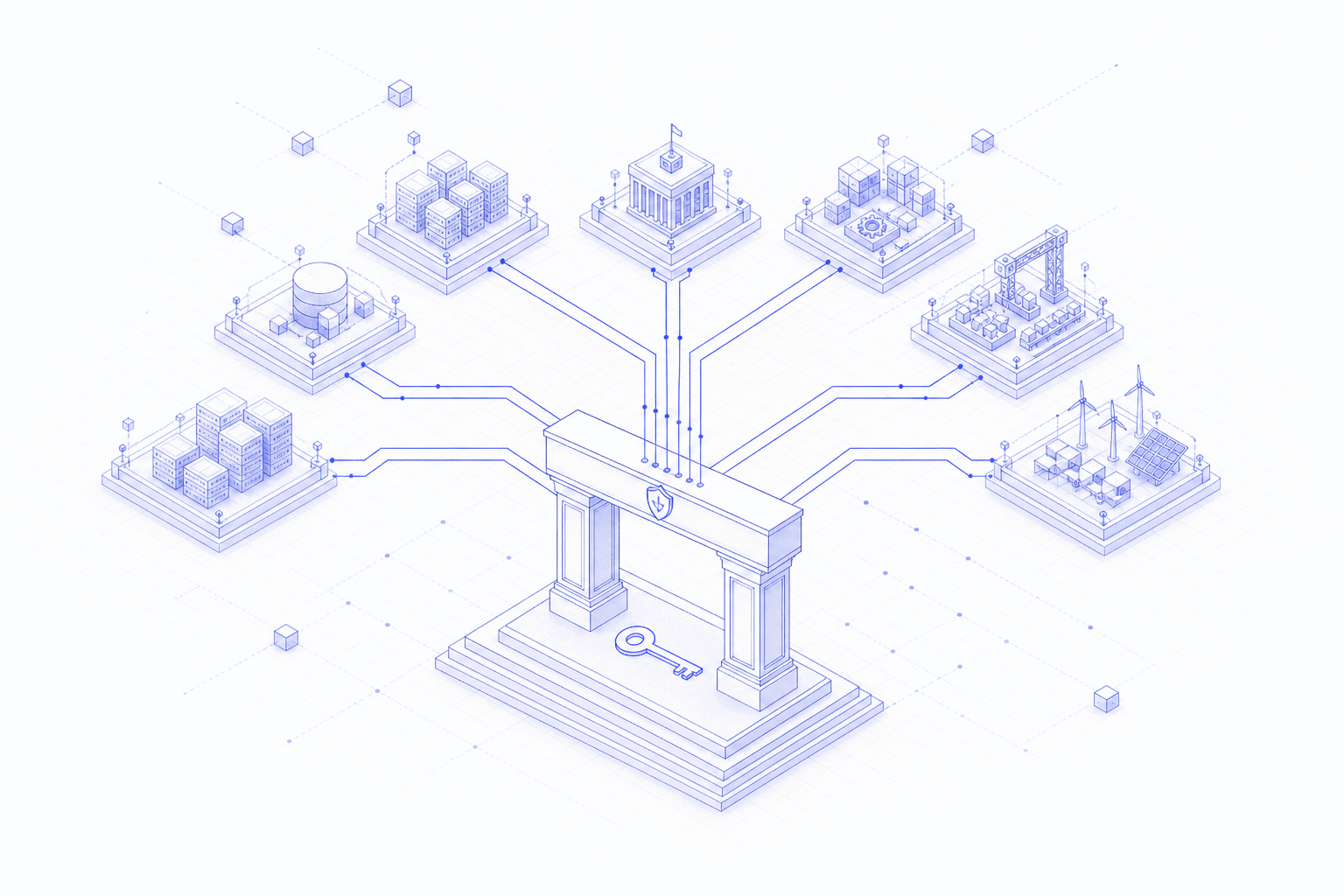
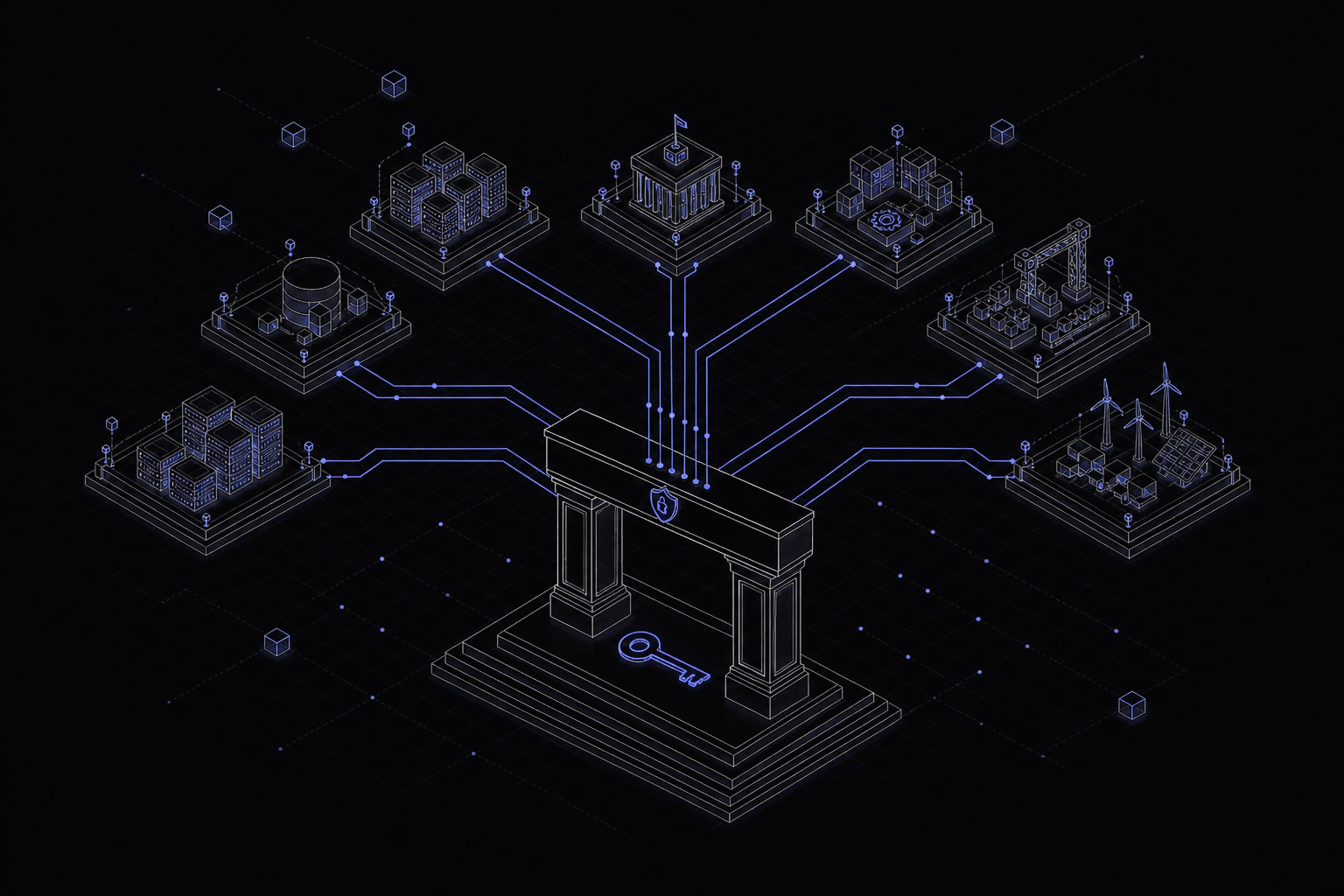
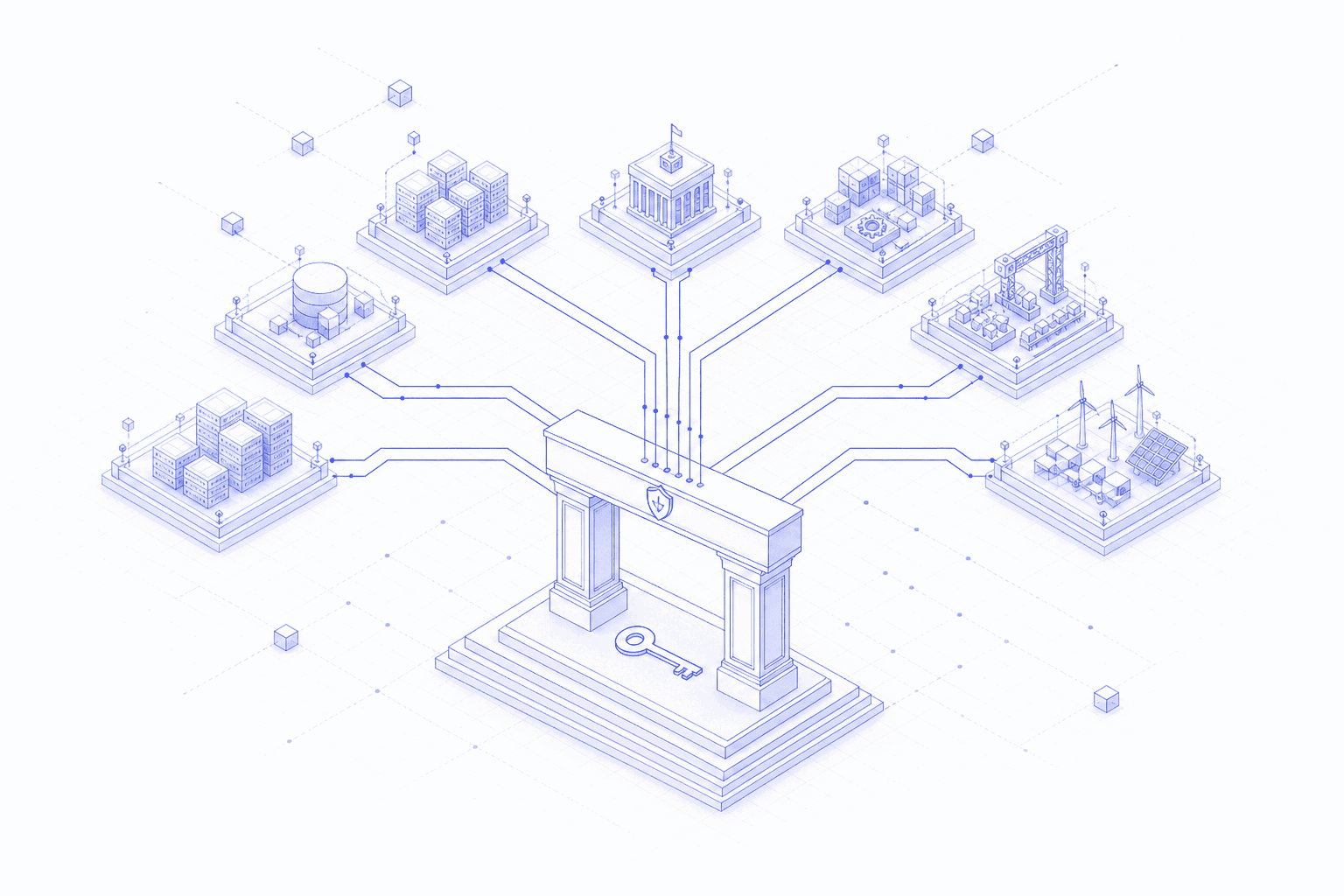
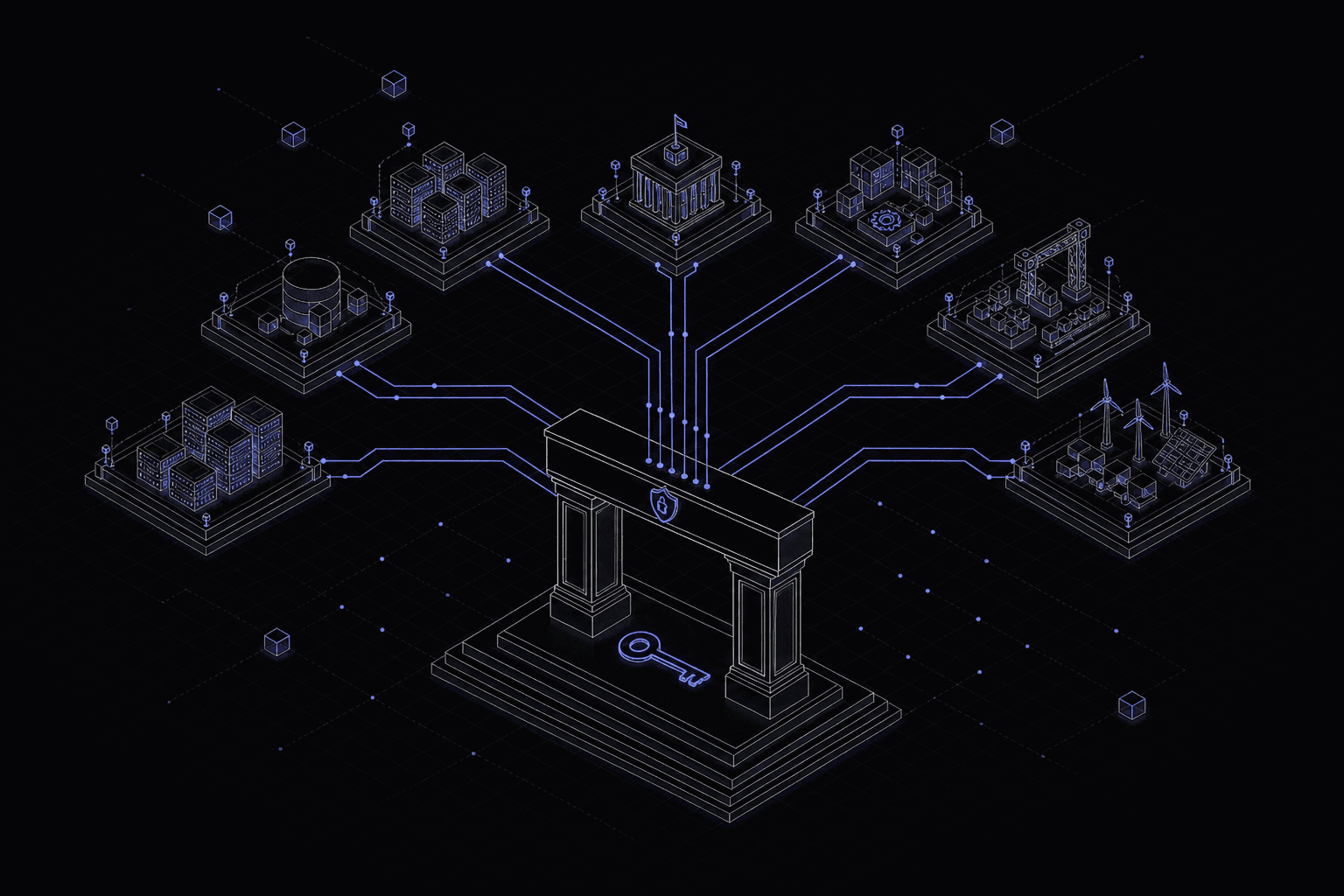
Digital Uttarakhand instead sits above the existing stack as a single sign-on and aggregation layer, built and operated for ITDA under the Government of Uttarakhand. The systems underneath do not change. What changes is how a person reaches them.
That is the World Bank's GovTech argument in practice: a whole-of-government approach that integrates core systems instead of leaving islands of excellence. The OECD puts the same idea in user terms — people should not have to learn how government is organised internally in order to use it.
01
One identity, two sides
A single sign-on spans citizen and employee access — Apuni Sarkar on one side, IFMS, eOffice, Unnati, and CM Helpline on the other.
02
Role-aware entry points
Citizens, officials, students, tourists, and investors each land on a view built for their situation — not a shared menu of every service.
03
A working dashboard for officials
Task tracking, meeting scheduling, and budget visibility sit in one place instead of split across three tools with three separate habits.
04
Documents you can actually find
The Central Digital Repository indexes Acts, Rules, Regulations, Government Orders, Notifications, Circulars, and Policies behind one search.
The officer's day is the clearest test. Task tracking, meetings, and budget visibility used to live in three tools with three habits. They now sit in one dashboard, with the underlying systems still doing the work they were built for.
The repository problem nobody names correctly
The Central Digital Repository is easy to misread as a citizen document wallet. It is closer to the opposite: a legal document system. For an official citing the correct order, a business confirming which regulation applies, or a researcher tracing a policy's history, the earlier alternative was rarely a search bar — it was asking a department directly and waiting. The CDR turns “which order governs this” into something searchable in seconds, with the department, date, and category attached to every result.
A citizen service that cannot be found is indistinguishable from one that does not exist.
Why the aggregation approach holds up
Standing a unification layer above existing systems, rather than replacing them, has one practical advantage that matters beyond Uttarakhand: it does not require a state to freeze or migrate its live infrastructure to get a coherent front door. That is what makes the model portable — proven first on Uttarakhand's own stack of Apuni Sarkar, eOffice, IFMS, and CM Helpline, and now the reference architecture Prodios Labs brings into conversations with other states evaluating what a citizen portal should actually do.
The measure of success here is not another app icon on a citizen's phone. It is whether a person who does not know how the government is organised internally can still find what they came for — and whether an official can start their day in one place instead of three.